
Glycine for Sleep: Benefits, Dosage & How to Use It
 Written by
Morgan Blake
Written by
Morgan Blake Published May 19, 2026 | Updated June 20, 2026 | 5 min read
On this page
Glycine is one of the more interesting - and most under-the-radar - sleep ingredients. It’s a simple amino acid, it’s cheap, and unlike a lot of sleep supplements it actually has a handful of human studies behind it pointing in a promising direction.
Glycine vs magnesium glycinate (clear this up first)
This trips a lot of people up. Glycine is an amino acid you take on its own - usually around 3 g. Magnesium glycinate is a magnesium supplement in which magnesium is attached to glycine; you take it for the magnesium, and it contains only a small amount of glycine. If you came here for glycine’s own sleep effect, you want plain glycine - not magnesium glycinate. (Curious about the magnesium side? Start with best magnesium for sleep.)
How glycine helps you sleep
Two mechanisms seem to be at work:
- It gently lowers your core body temperature. A natural drop in core temperature is one of your body’s cues that it’s time to sleep, and glycine appears to nudge this along (via increased blood flow to the extremities).
- It acts on NMDA receptors in the suprachiasmatic nucleus - your brain’s master body clock - which research links to faster sleep onset and a more restful night.
The result is less “knockout,” more “your body slips into sleep a little more easily.”
What the benefits actually are
In small human studies, people taking ~3 g of glycine before bed reported:
- falling asleep faster,
- better subjective sleep quality,
- less daytime sleepiness and fatigue the next day, and
- in sleep-restricted volunteers, better next-day performance on some tasks.
The honest caveat: these are small studies, several from the same research group. It’s promising, not proven. Glycine is a low-risk thing to try, not a guaranteed fix.
How much glycine for sleep, and when
- Dose: ~3 g (3,000 mg), the amount used in the research.
- Timing: 30-60 minutes before bed.
- Form: powder or capsules (see below). Start at 3 g; you don’t need to “build up” the way you do with some supplements, but you can start at 1-2 g if you’re cautious.
Full details and how to take it comfortably:
Powder vs capsules
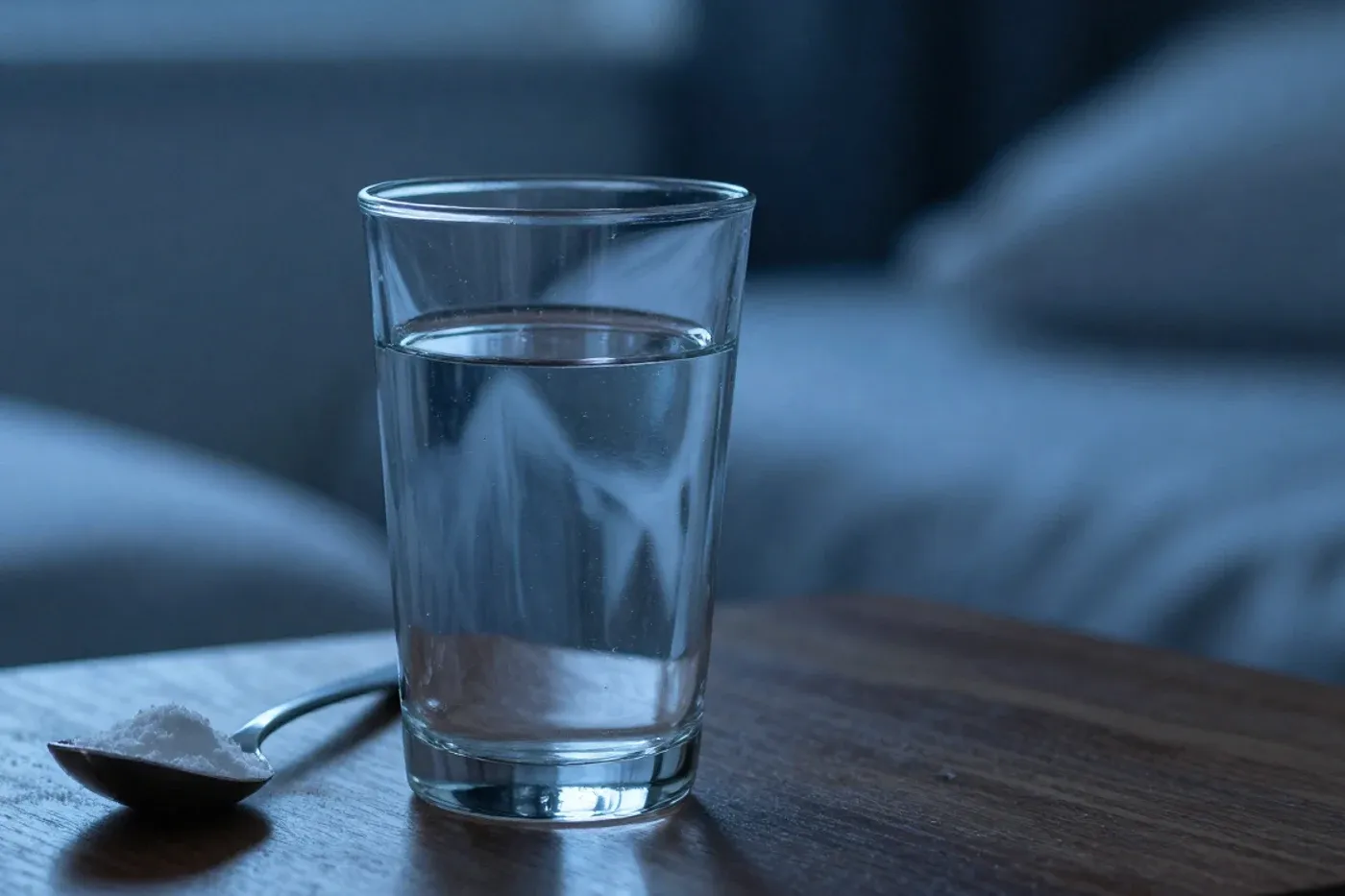
- Powder is the easy choice at this dose - 3 g is about ⅔ of a teaspoon, glycine tastes mildly sweet, and it dissolves well in water or tea. One scoop beats swallowing six capsules.
- Capsules are more convenient for travel, but 3 g usually means ~6 capsules of 500 mg.
More on the powder route:
Who glycine is good for
Glycine is worth trying if you:
- take a while to fall asleep or wake up feeling unrefreshed,
- mainly struggle with next-day grogginess, or
- want a gentle, low-cost option that isn’t a sedative or a hormone.
The bottom line
Glycine is a cheap, gentle, surprisingly well-studied amino acid that can help you fall asleep faster, sleep better, and feel less groggy the next day - at about 3 g, 30-60 minutes before bed. Just remember it’s not magnesium glycinate: buy plain glycine, start at 3 g (powder is easiest), and give it a fair try. It won’t sedate you, but for the right person it’s one of the more interesting low-risk options on the shelf.
Frequently Asked Questions
Is glycine good for sleep?
Several small studies suggest yes - around 3 g of glycine taken before bed helped people fall asleep faster, improved subjective sleep quality, and reduced next-day fatigue. The evidence base is small, but it's encouraging and glycine is well tolerated. Don't expect a sedative; expect gentler, better-quality sleep.
Is glycine the same as magnesium glycinate?
No - and this is a common mix-up. Glycine is an amino acid you take on its own (often ~3 g). Magnesium glycinate is a magnesium supplement where magnesium is bound to glycine; you take it for the magnesium, at a much smaller glycine amount. If you want glycine's sleep effect, buy plain glycine.
How much glycine should I take for sleep?
The sleep studies used about 3 grams (3,000 mg) taken 30-60 minutes before bed. That's the dose to start with. See our full glycine dosage guide for details and how to build up to it.
How does glycine help you sleep?
Glycine appears to gently lower your core body temperature (a natural sleep cue) and acts on NMDA receptors in the brain's body-clock region, which seems to promote sleep onset and deeper rest - without sedating you like a sleeping pill.
Is glycine safe to take every night?
For most healthy adults, glycine is well tolerated, even nightly; the main side effects at higher doses are mild stomach upset or nausea. Talk to a doctor first if you're pregnant, breastfeeding, or take the antipsychotic clozapine (glycine may reduce its effectiveness).
References
- New therapeutic strategy for amino acid medicine: glycine improves the quality of sleep (Bannai M, Kawai N, 2012)(PubMed (J Pharmacol Sci))
- The sleep-promoting and hypothermic effects of glycine are mediated by NMDA receptors in the suprachiasmatic nucleus (Kawai N, et al., 2015)(PubMed (Neuropsychopharmacology))
- The effects of glycine on subjective daytime performance in partially sleep-restricted healthy volunteers (Bannai M, et al., 2012)(PubMed (Front Neurol))
Related reading
Cluster hub: Glycine for Sleep
Glycine Dosage for Sleep: How Much and When to Take It
The studied glycine dose for sleep is about 3 g (3,000 mg), 30-60 minutes before bed. Here's how to dose it, when to take it, and how to start safely.
Best Magnesium for Sleep: Which Type Actually Works
Magnesium glycinate is the best magnesium for sleep for most people. Here's how the types compare, the right dose, timing, and who should be careful.
How Long Does Magnesium Take to Work for Sleep?
Magnesium isn't instant. Some feel calmer night one, but real sleep benefits build over 2-4 weeks of daily use. Here's the realistic timeline.
How Much Magnesium Glycinate for Sleep? (Dosage Guide)
Most people take 200-350 mg of elemental magnesium glycinate about 1-2 hours before bed. Here's how to dose it, when to take it, and how to start safely.
This content is for informational purposes only and is not medical advice. Consult a qualified healthcare professional before starting any supplement.